Will fashion goes Vegan?
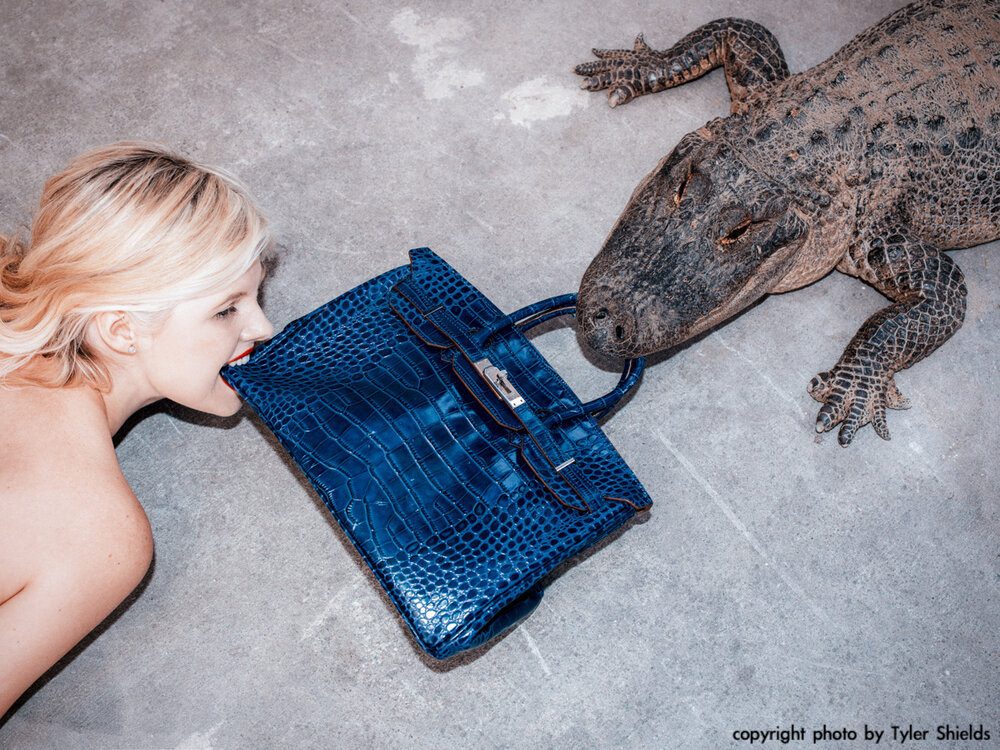
The fur industry recently got a lot of dislikes from environmentally friendly communities. Many vegans, vegetarian groups started to against "animal" fashion. Social media expanded the "reality" behind the fashion industry that we can't see, "knowing-how" is not that difficult as any other times. Everything seems to be transparent; customers can know much more than before if they want to. Many videos of animal fashion production spread through social media, letting many of us see the reality of the "animal" industry. From the hormones meat to crucial killing and treating animals to get their furs and skin. Fur industry, somehow, has been noticed in the first place for fashion and environmental problems, is also one of the most apparent industries that get significant descended those years. More and more people quit natural leather and furs, scientists are searching hard for alternatives. Environment protectors urge not to use real-animal products to avoid unnecessarily killing animals.
The most used furs in the fashion industry are minks, followed by foxes and rabbits. This year, in fur farms in Denmark (biggest mink exporter), 17 million minks have been killed in Denmark because they are possibly affected by the Covid-19. Because we need to protect humans, so millions of minks need to be killed crucially. The fur industry was highlighted by the media again.
About what we eat
I am a pescetarian, which means that I do not eat meat but still fish. I started to have this kind of diet without knowing vegan or vegetarianism. I never consider myself belongs to any diet community; I just eat what I like and don't eat those I dislike. I moved abroad when I was 18 years old. I have had to begin to cook myself, and I found it disgusting to touch raw meat. I quit eating meat and started to eat many nuts, chocolates, cheeses, cakes, etc. I don’t buy meat products actively, but if there are family unions or meals with somebody to eat out when there are un-avoid meat meals, I will accept it if the food does not taste bad, try not to get annoyed by the others. So in terms of the diet, I am not vegan or vegetarian myself. I also think animal products are vital for men's health, and people need to take them in a less-polluted dimension, a balanced quantity that would not harm the environment. Diet is a choice; there is no meaning of eating everybody the same way.
About what we wear
In terms of animal fashion products, we usually talk about fur and leather goods. Those are probably the first element which human being has used to cover ourselves in the history. Historically owning a piece of fur products is a status symbol of having upper social class. So furs are used in luxury brands and some expensive wearable items because the fur itself has a relatively higher value than the other materials.
Anti-fur activities started very early: from the 1980s to the 1990s, they described fur as cruel and unnecessary. In recent years, environmental problem in the fashion industry is dynamic.
Many Luxury brands announced fur-free, started by Stella McCartney, following by Burberry, Gucci, Versace, Giorgio Armani, Michael Kors, Calvin Klein, Ralph Lauren, Tommy Hilfiger, Kate Spade, Hugo Boss, Furla, Lacoste, tom ford, Vivienne Westwood, Prada, Maison Margiela, DKNY, Coach, etc. But many luxury brands still use a large amount of wildlife leather for their fashion items by differentiating their products or showing their precious items.
Fur distributors and buyers
China is the world's biggest fur exporter (80% of the fur trade), "Euromonitor projects that the manufacture of fur in China will rise from £6.6bn last year to £6.9bn in 2021." (6 Nov 2020, Hannah Marriott). In the meantime, China is the largest importer of fur pelts in the world." Exports to Asia grew from 22% to 47% (1998- 2002) as a share of total exports." (save-me.org.uk, 2021) EU also plays an important role, data from save-me.org.com: "The EU accounts for 63% of global mink production and 70% of fox production. Denmark is the leading mink-producing country, accounting for approximately 28% of world production." (save-me.org.uk, 2021) Besides Asia, Russia and North America are also big importers of fur products.
Personally perspective
We use much more eco-unfriendly fabrics than natural furs. Many fashion materials or dying methods are also harmful to the environment. Therefore, as research by Kering reported in its 2015 EP&L statement, Synthetic leather has only a third of the environmental impact of cow leather. But as a product has been produced, it will create a waste itself in a different dimension. So, in reality, it is tough to say use or not use fur. Without fur, will fashion be much more environmentally friendly?
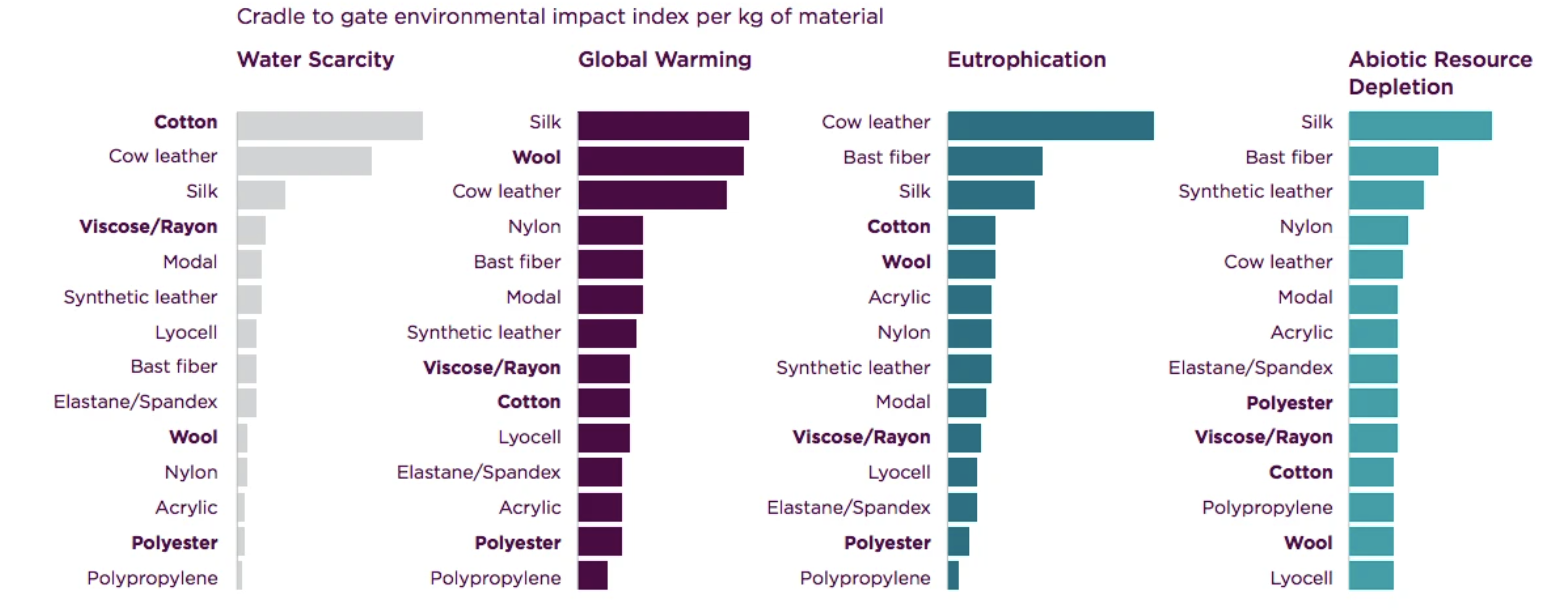
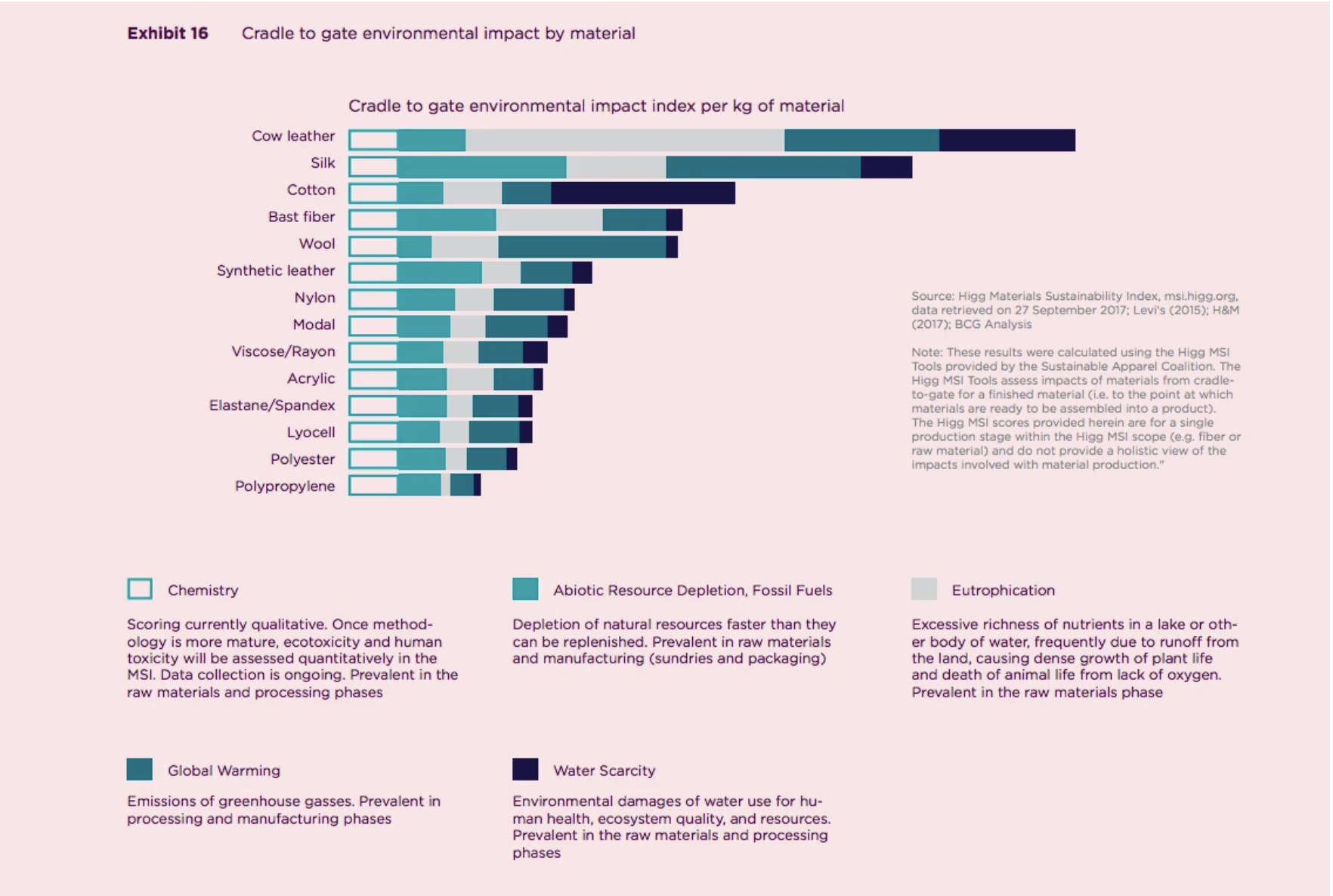
We should control the quantity and quality, but not the "animal product" itself. We are inside an ecological chain, and it is necessary to complete the process and balance the whole ecological chain. So animals have birth and die; it is environmentally friendly to use things from the natural world than create something new by chemicals.
Having less animal production requires much less requirement for those kinds of products: less meat and more miniature fashion-related leather goods. Keep a balance of the ecological chain.
We should never feed the animals like they are our slaves to use their skin, eat their meat, and use their fur. Accept the animals’ natural living length and let them live until their expected age, and use the resources they offer to us. Since we are scientifically much more advanced and we significantly live longer than other animals. As a creature, I feel lucky that I am a human. So we should be nicer to the other creatures. Animals can live adequately, have a longer life instead of being killed after their 1/10 of life, like murdering a human baby. (We even eat their babies.)
Eco-education creates different purchasing habits and buys quality but not quantity. Therefore can reduce a lot of wastes.
People who wear fur may not even know where the skin is from; sometimes, not even the brand owner knows where their fabrics are. Many have never been to the fur farms. They buy their materials in a not very transparent way, and the designers only care if they have got their design presented, but not really where the material from. Many luxury brands had many products made from illegal wildlife products (reported from the journal EcoHealth). (Rachel Numer, 22 May 2020) For brands who want to be trustworthy, they need to educate their customer to have a more eco-friendly purchasing habit, knowing at least if responsible materials make their designed pieces.
The faux fur industry: by using synthetic-based clothing instead of natural furs. From another perspective, when the fake fur industry still exists, somehow the real one has value.
Unless there are still people who eat animals, it is tough to avoid the fur. Fur for fashion will be indeed less, it will take quite long to disappear.
Will fashion goes vegan?
In the long run, It seems that the answer is sure: YES! Our global is rising around 2 degrees every year, so that means that we would never need to use those furs one day. Because it will be too hot for wearing skins, adapting to the changing environment, animals probably would not grow piles in the future.
Maybe there will come out some other virus much more harmful than Covid-19, so that humans will be like that dinosaur which was the world leader one time, just disappear quietly. So nobody will kill those animals for wearing their furs anymore. It is tough to have vegan fashion unless there are people full of desires and likes plundering.
You can access the PETA (People for the Ethical Treatment of Animals) website for more information.
References
1. Hannah Marriott, 6 Nov 2020, theguardian.com, last viewed on 17 April 2021 from theguardian.com
2. Rachel Numer, 22 May 2020, nationalgeographics.com, last accessed on 23 April from nationalgeographic.com
3. save-me.org.uk, 2021, last viewed on 17 April 2021 from save-me.org.uk