Sustainable design: Urban agriculture
Urban agriculture
Natural is the mother of everyone. Natural food benefits our health. Unfortunately, not many people love un-processed food (at least me in this case). Instead, we are more likely to purchase the fat and sugar blended, processing food.
We are a bit far from nature for those who live in the city; many even forget that we are part of the ecological chain. We use many non-degradable fabrics to cover ourselves, many chemicals to put on our face and body, eat many processed food that doesn’t look like their original look, live inside the reinforced, etc.
Everything we use is initially from the natural world. But those things have been mass-processed in factories, made by machines, analyzed in labs, sold by marketers, used the most intelligent sophisticated algorithm for recommending you to buy. Cities are getting bigger and bigger, skyscrapers, international shopping malls, online-shopping, food-delivery services, etc. The more convenience we can get, the better gap we find between humans and nature.
Inspiration
Inspiration is from my family members who live in China: my grandma and my aunt. My grandma lives in Xiangyang, my hometown, a city in Hubei province. She lives on the ground floor and owns a small garden. In the year 2020, when I was blocked in China during the Covid-19, I have lived at my grandma's place for a relatively long time. She grows a lot of vegetables, also a small number of grapes in that little garden. I remember before she grew a lot of flowers when she lived on higher floors. Right now, because of the age, she changed apartments to live on the ground floor. Instead, my aunt lives on the 11th floor (top floor of their building) in Wuhan city, and their family also owns the roof floor. She turned it into a roof-garden and has grown a lot of vegetables there. When I was in high school, I went to her apartment, and she showed me the veggies she grew. She also brings her vegetables from Wuhan to Xiangyang by Gaotie (Chinese high-speed train) sometimes. She is full of pride in gardening and farming, which is unusual compared to other people her age.
I also have many friends growing greens in their balconies or have several plants at home. I believe many of you, too. Many of us have already started what is called: urban farming.
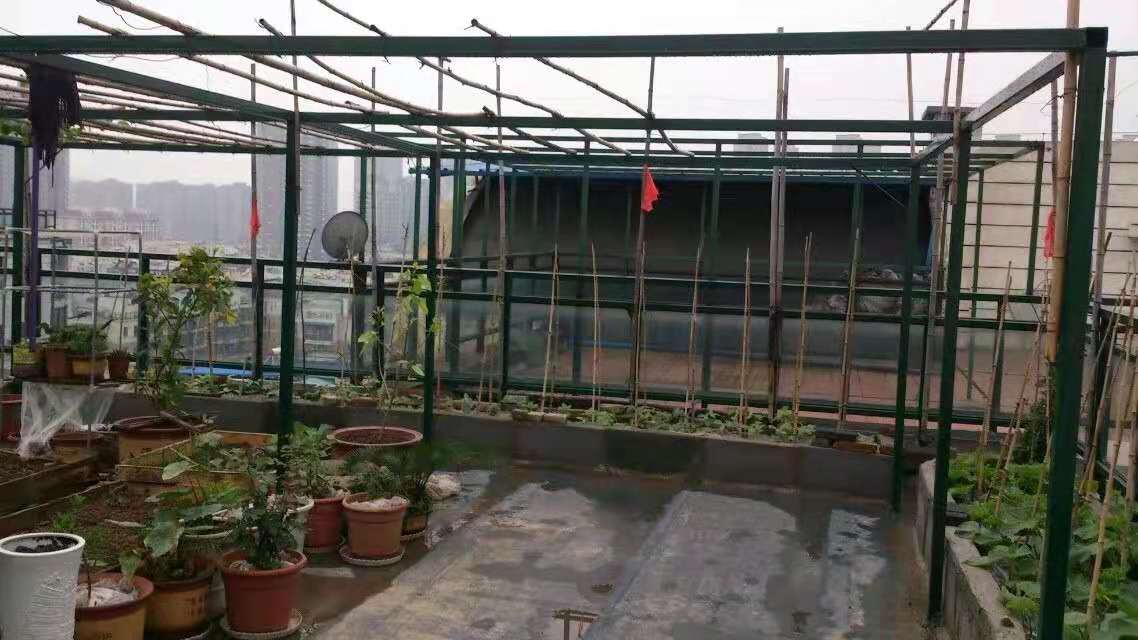
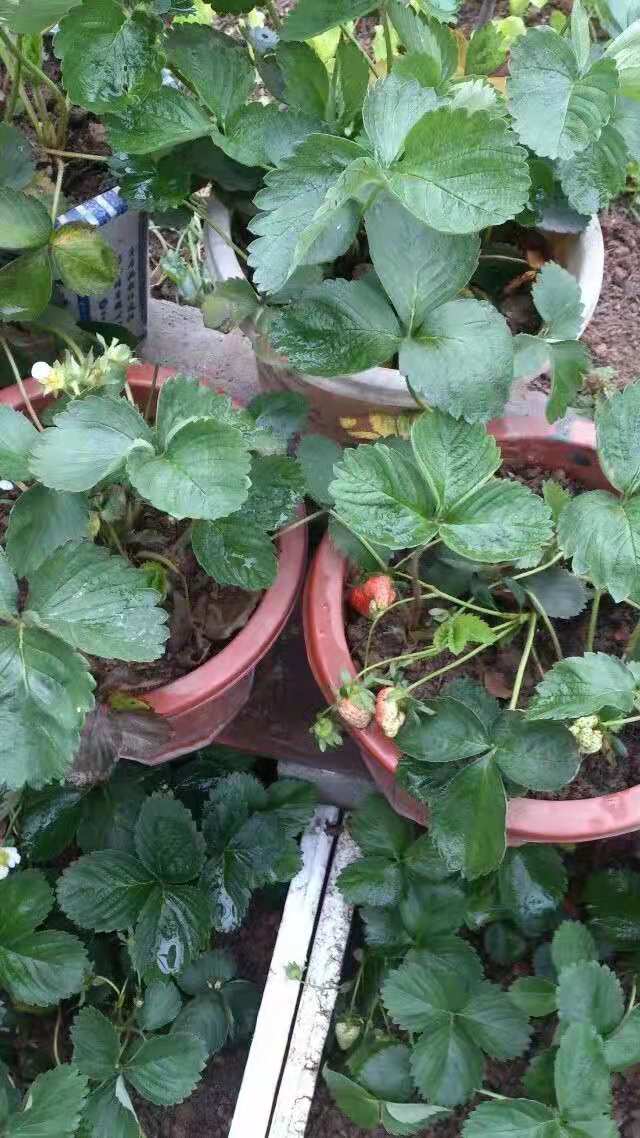
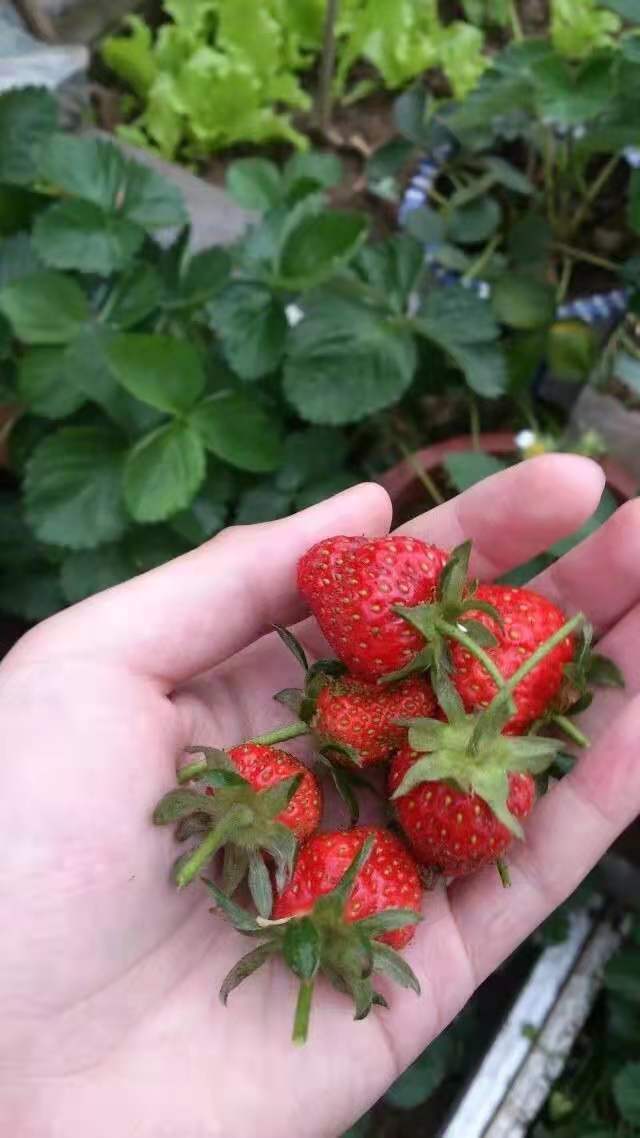
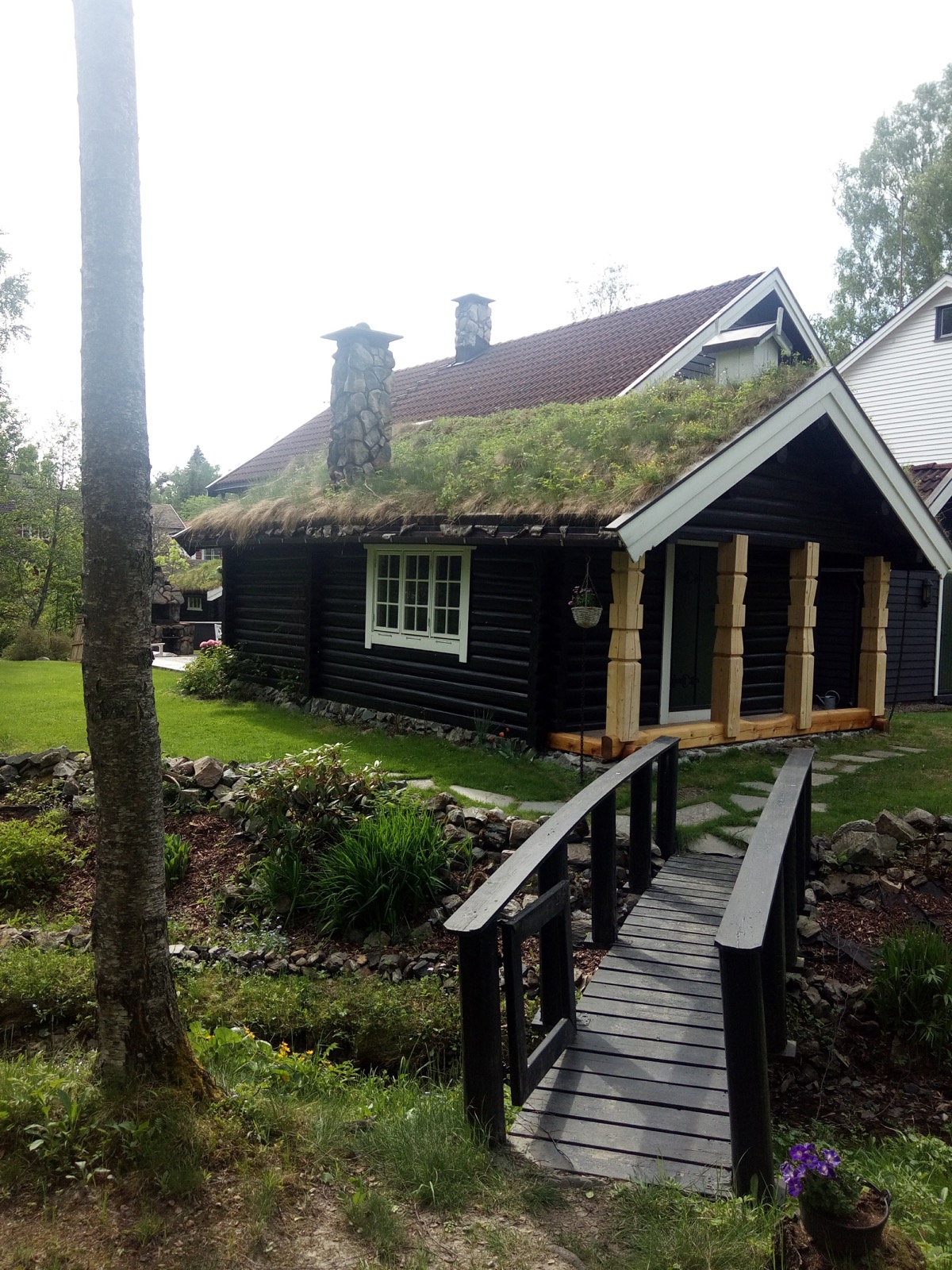
During my trip in 2017 to Oslo, Norway. While I was hiking in the forest in Oslo, I saw many houses with beautiful roofs full of greens. That reminds me of my aunt's roof garden. Because of the difference in the architecture, the roof garden can look completely different.
I was also thinking about this topic while watching a sci-fi TV series called "Away" on Netflix, the protagonists tried to bring greens from earth to Mars, and they had some vegetables inside the space for several months. I wondered if they can even grow greens inside the spaceship, even on a new planet. So why can't we grow it inside our living room?
Why do we need urban agriculture?
Overcrowded cities
We will probably reach 10 billion people globally by 2050 (yearly growth is around 1%); the first thing we need to think about is how to feed everyone. We would probably have not "enough" food for everyone. Right now, our land area is with 11% crop plants. But cities are continuously expanding. Especially for those countries with less land, they do not even have enough living places. It would be hard for them to find space to farm.
Many big cities have no rural areas or farms that are pretty far away from the living areas. Those cities are also usually with a large number of people. We need to spend a lot (in terms of time and energy) on transportation to bring food from "far-away" farmers to final customers in the city, which will create a lot of unnecessary carbon emissions.
Moreover, there are much fewer farmers in the countryside, many people (especially young people) don't consider being a farmer as what they want to become. It earns little and usually doesn't get enough respect. So more people choose to leave the countryside and move to the city.
Pollution
We live in a polluted environment, especially in developing countries; people suffer a lot from contamination, for example, China, India, Italy, etc. Countries with a significant amount of factories for various purposes. Some really "know-how"; they are specialized to make specific stuff, some are more likely because of the cheaper labor. Cities, especially industrialized cities, are incredibly polluted, with many cars and factories, not enough trees and green areas. Finally, we are also suffering from contaminated food and illness.
Food insecurity
In a particular period or specific areas of the world, there still exists food insecurity. An example of the Covid-19, I have been blocked inside my home, and we had problems finding food. It was a tough time, and it is more about how to survive. I believe some of the people who have experienced wartime would also have this kind of food insecurity. As the area has extreme weather, so they need to import food. Political issues or natural disasters can easily create the hunger rate for those areas. So it is essential to growing locally and independently.
It is beneficial
It is economically beneficial: a significantly high income or money-saving.
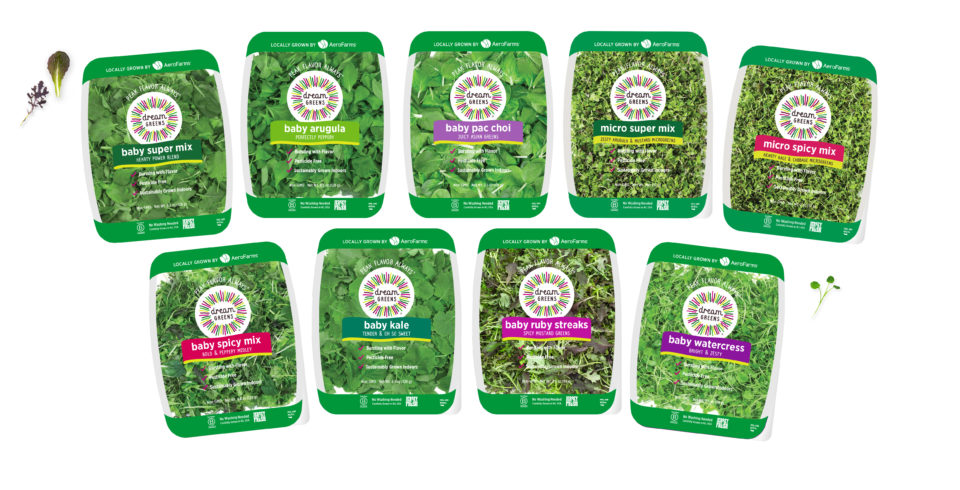
Microgreens are at this stage still sold expensively. Using vertical farming, you can grow a significant amount of veggies using tiny spaces with minimal cost. It could be a low-risk start-up. You can easily grow your meal or for your entire family.
Environmental benefit: farming inside urban areas can help to resolve 'any' problems, for example:
Reduce urban heat island effect: urban farming can help to reduce city temperature, cool the city.
Reduce noise: We are suffering noise pollution, and greens can help to reduce noise.
Health improvement: Having some greens nearby is good for eyes, hearing, and health.
How?
How can we have more green with fewer farmers?
Technology provides many chances to grow veggies wherever we want, with the same nutrition inside a suitable environment. Use 10% of the water to produce 15-20 times the vegetables. Vertical farming would be the future of agriculture.
About vertical farming
We have tall buildings because we have too many people and we need space to live. Meanwhile, there are also many people we need to feed. By using the same idea of building a skyscraper, that is vertical farming.
Roof gardening
Roof farming in Asian countries is more manageable since their rooftops are flat, and there are many spaces as big as the ground. Roof gardening and agriculture is partly vertical farming; instead of having many layers, the room top gardening shows only one layer.
From roof garden to a greenhouse
One layer is a roof garden, but with many layers would become a greenhouse—the same design idea as building a skyscraper. The future cities would be cities with a good combination of vertical farms and vertical living spaces.
Be your own 'farmers’: At least, we need to learn to feed ourselves. Learn how to survive in an ecological-friendly way and eat something that benefits our health.
As a 'city girl who lives in the city and can not recognize food inside the farm, I did not know about farming. Instead, I consider those inside markets or restaurants to be food. But those foods inside restaurants or supermarkets provide me limited knowledge about where the food actually from.
Add into your education list: Farming is the top-one skill for surviving, surviving method from the origin of human beings; gardening should at least become a hobby for everyone. Farming should be part of the elementary course. Students need to have more information about how to grow their food.
Human diet revolution
A friend of mine says in Germany people eat unhealthy food. You can easily find out from their daily purchase, we were inside a popular supermarket (Rewe) in Germany, he said: "more than half of the supermarket is selling chocolates and alcohols" I also start to think about it, not only chocolates and alcohol, snacks, sweets, sauces, frozen food, those are occupied more than 60% of the selling place, compared to the "delicious" food, the "healthy" part is minimal. But many processed food still with a "healthy" label since you can find chips with 100% natural ingredients, etc. That means the majority of the consumers have the consciousness of eating healthy. Some of us pay a lot of money to get "cleaner-food,” some even spend a lot on organic or what we call "superfood.” Healthy food is becoming a label to sell as something trendy; in supermarkets, we can easily find food with tags: vegan, no animal clue, ecological, etc.
Healthy food in general in many western countries is relatively expensive than unhealthy ones. (China is, on the contrary, unhealthy foods are costly, but healthy food is relatively cheap) So that created a lot of health problems for a lot of people. In reality, those natural foods can cost little and with little effort if you learn how to grow them on your own. It is essential to let more people get into a healthy lifestyle and eat more nutritious food instead of harmful industrial products.
For having a change of agriculture, it is an obligation to have a total shift in the human diet in a more beneficial, less harmful dimension. Human diets will significantly change with less meat, more plant-based real food, and probably also inserts.